Project Report
| Jan 24, 2022
Expansion to Chichocane Village
By Juliet Lyon | Executive Director, ParCo
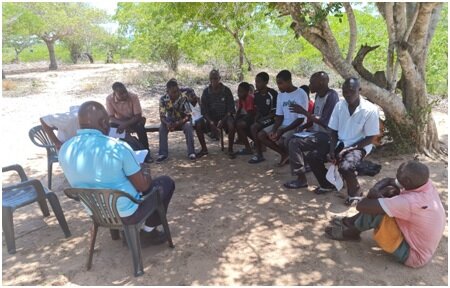
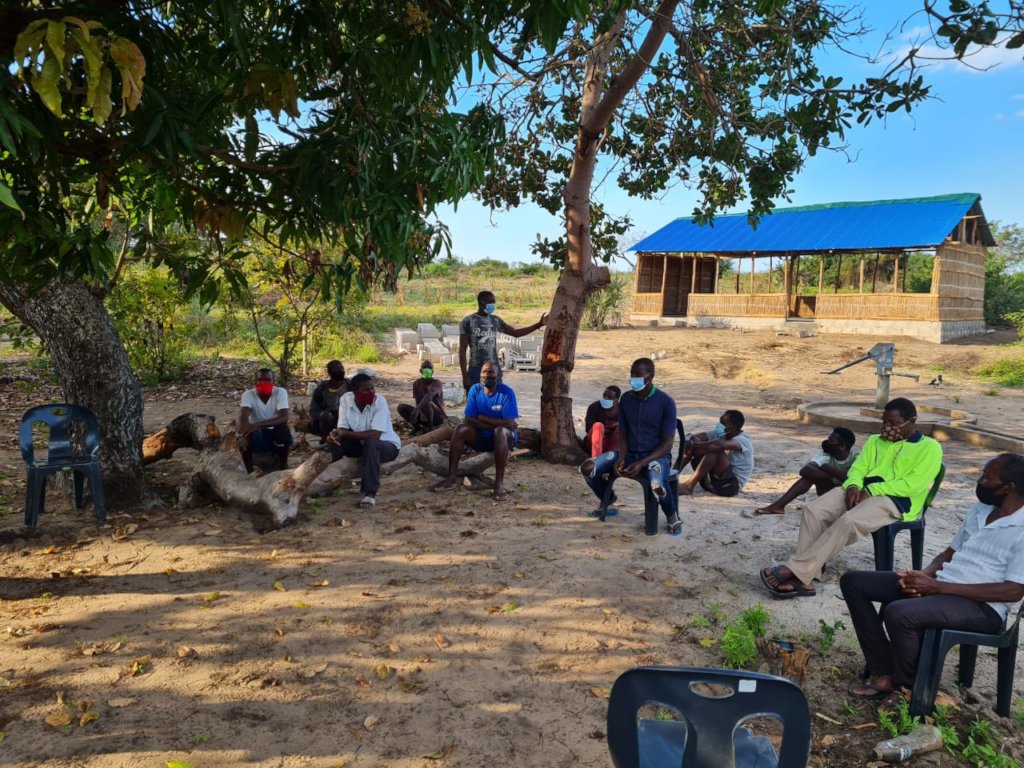
![First Meeting with Chicocane]()
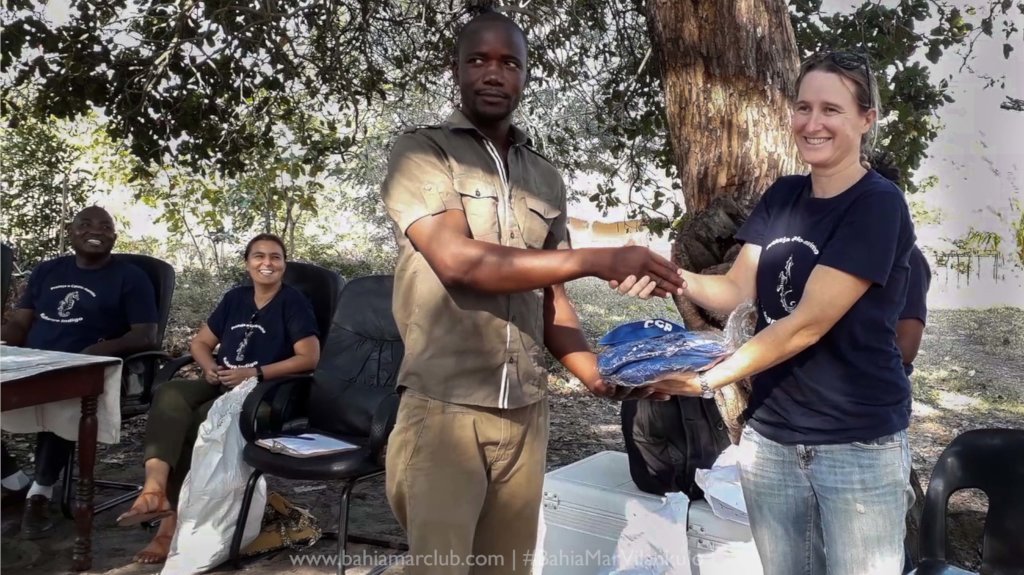
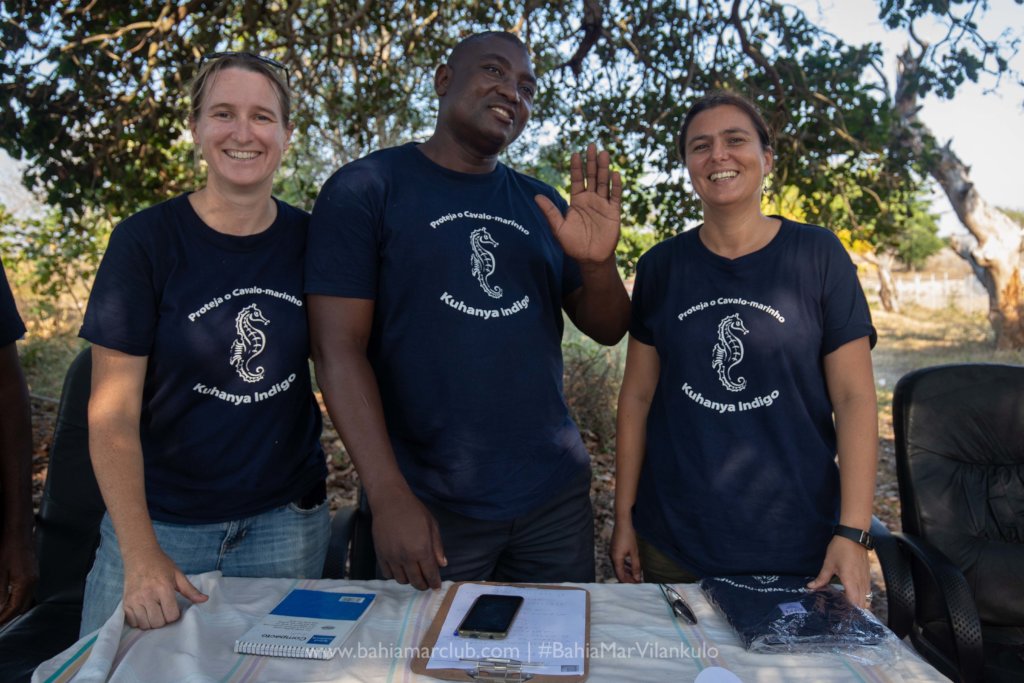
First Meeting with Chicocane
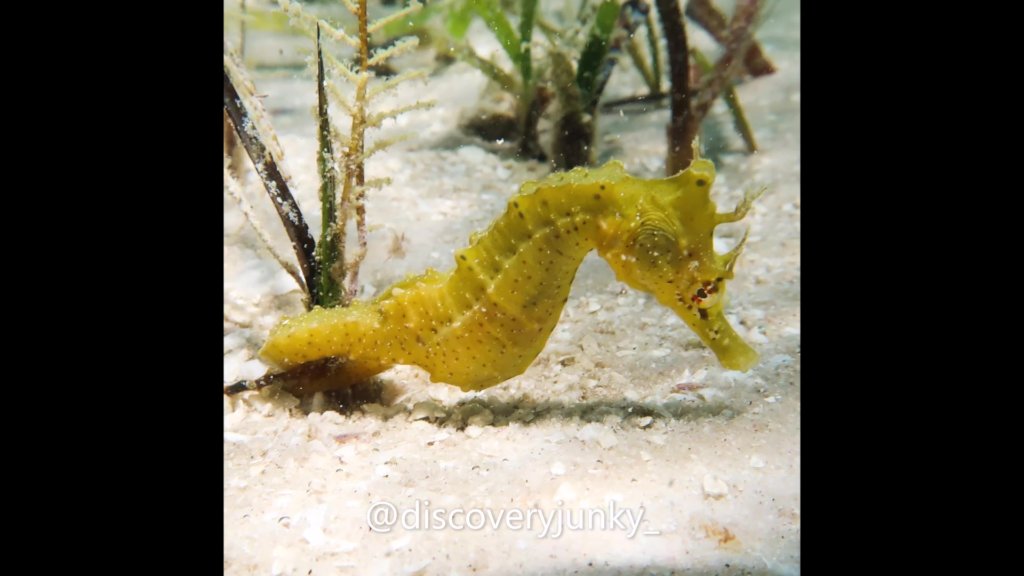
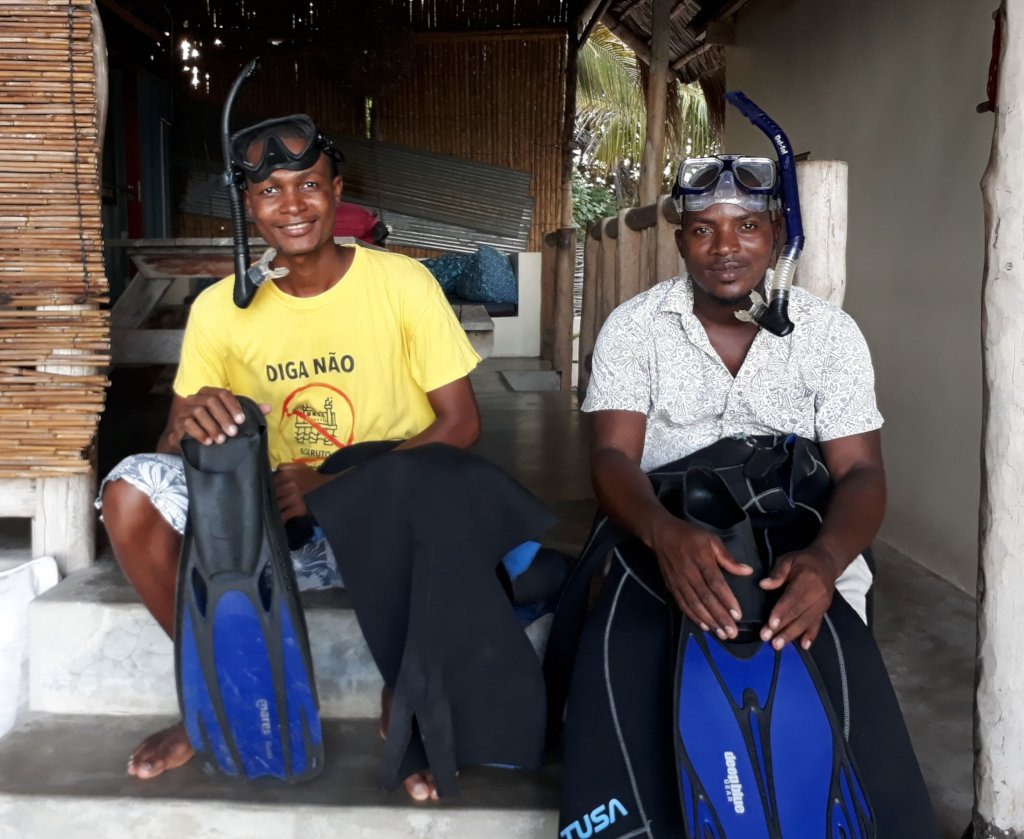
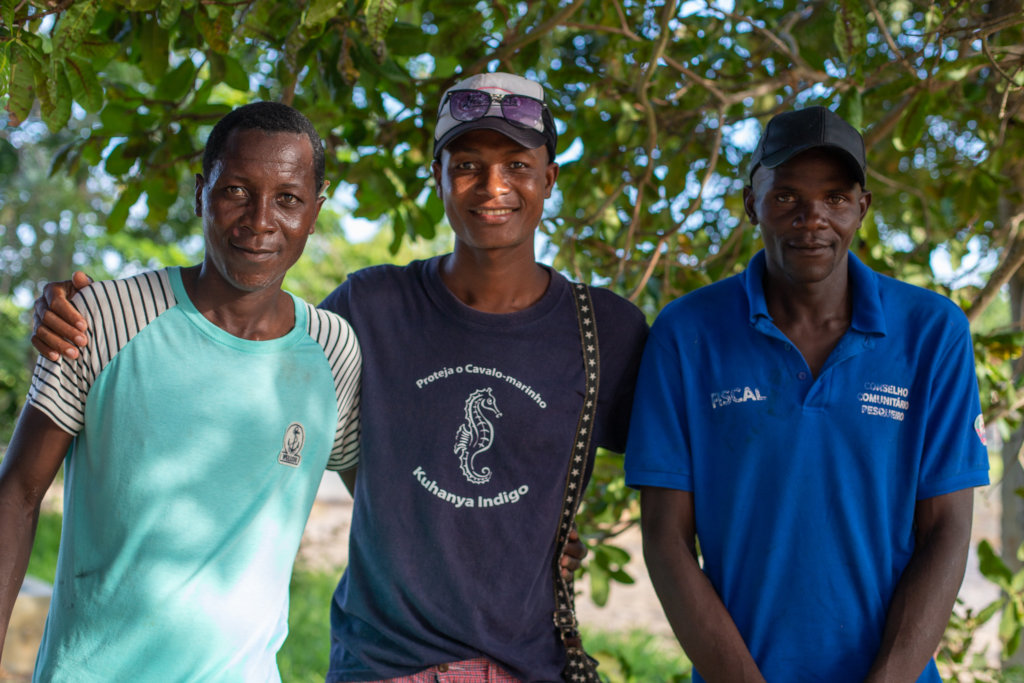
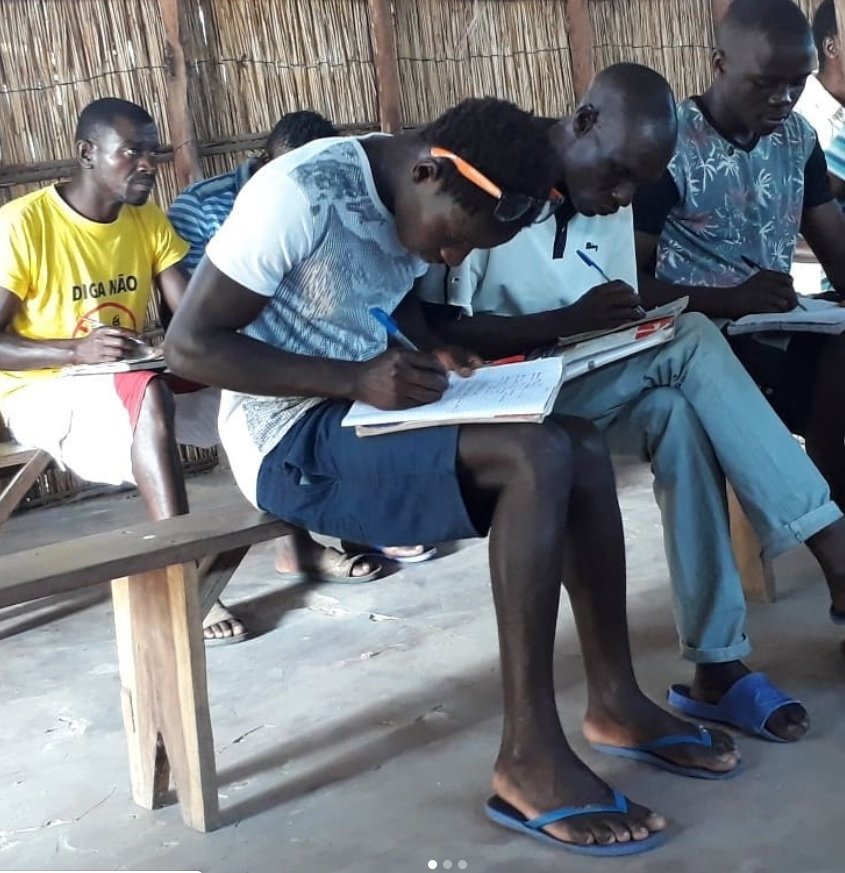
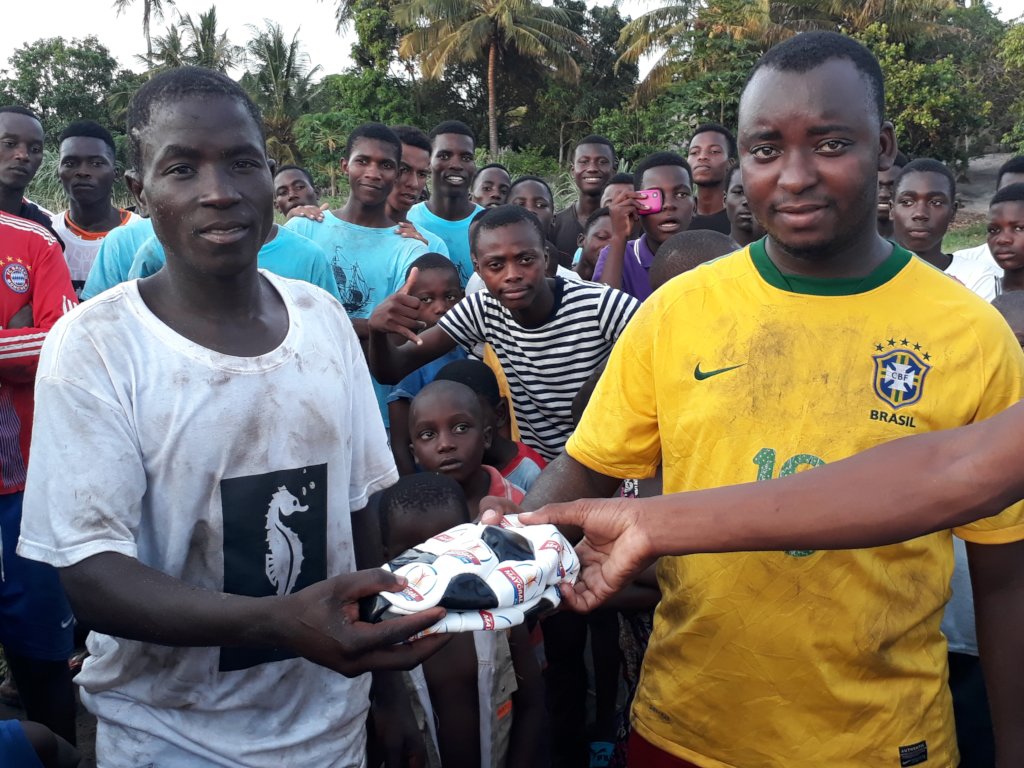
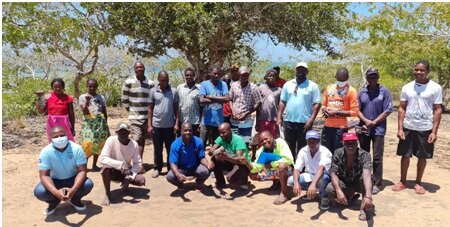
A year ago, we launched this campaign to bring seahorse protection to the community level - to have neighbors themselves regulating and enforcing anti-poaching policies sustainably. We did not anticipate how long it would take to get all of the stakeholders on board. But we are happy to announce that we are making headway and in recent months the project expanded to Chicocane Village (another hotspot for seahorse poaching just south of Mangalisse). It was hard to get the fisherpeople to a meeting because they are always out on the water fishing for survival. But we eventually succeeded in getting them to several meetings and we peaked their interest in establishing a commitee and select local "rangers" for training. So we are now primed to train and equip local rangers from the two villages (Mangalisse and Chicocane) to protect the seahorses from poaching and to improve the sustainability of the marine based resources they live from.
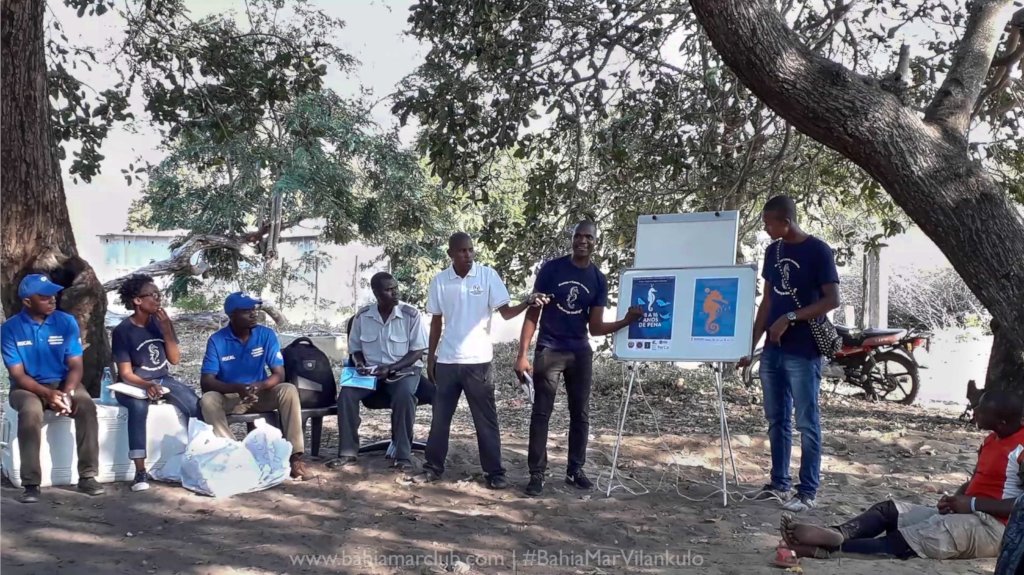
![Second Meeting with Chicocane]()
Second Meeting with Chicocane
![Share on Twitter]()
![Share on Facebook]()
Aug 2, 2021
Building up
By Juliet Lyon | Executive Director, ParCo
![Fishing Council in Front of New Building]()
Fishing Council in Front of New Building
The fisheries council of Mangalisse village is finalizing plans with the government to roll out its LMMA - locally managed marine reserve - to protect seahorses. In June a guilty verdict was reached in the trial of the Chinese resident of Vilankulo that was caught with 8 kg of seahorses. This shows strong awareness and will on the part of the government to protect seahorses by enforcing biodiversity laws and bodes well for collaboration between the government and the local community on the evolving LMMA.
Other accomplishments of the council:
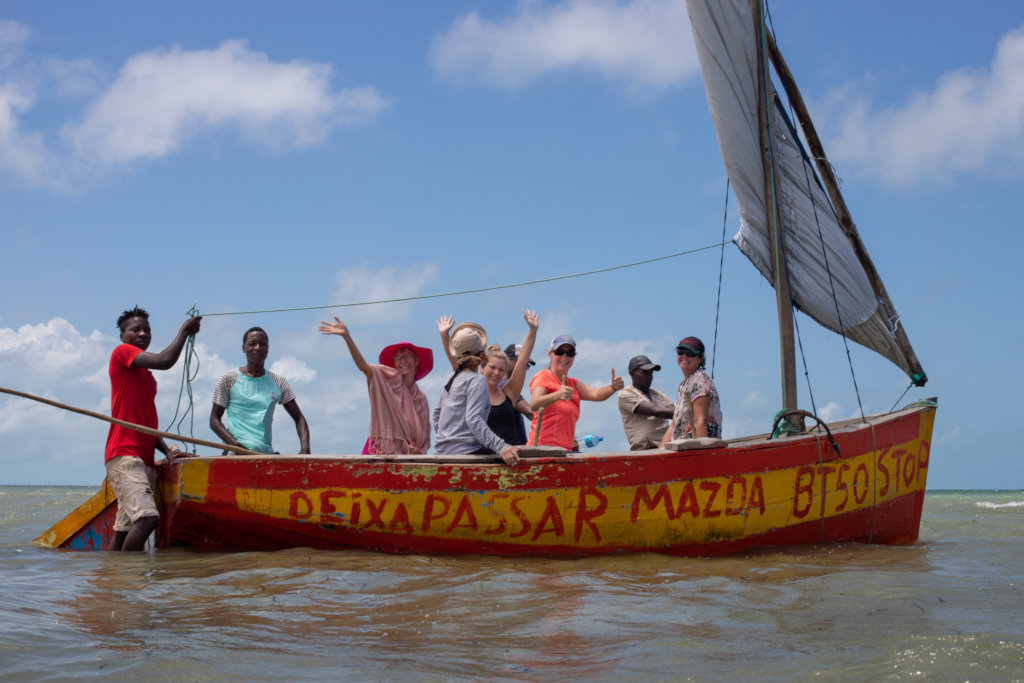
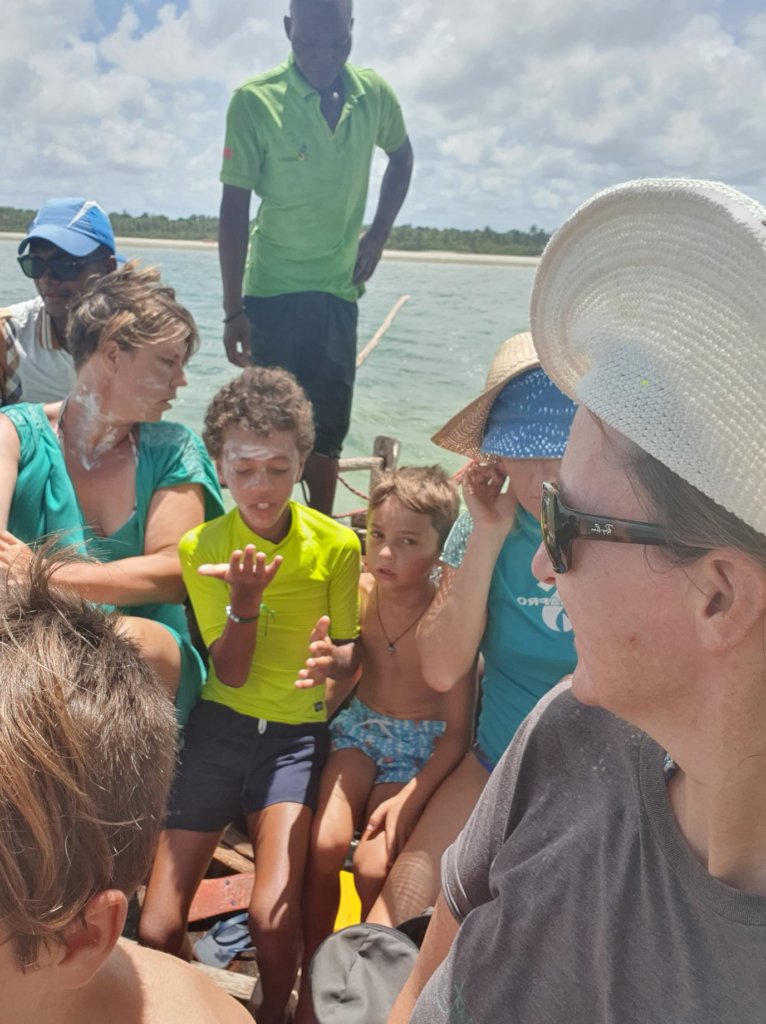
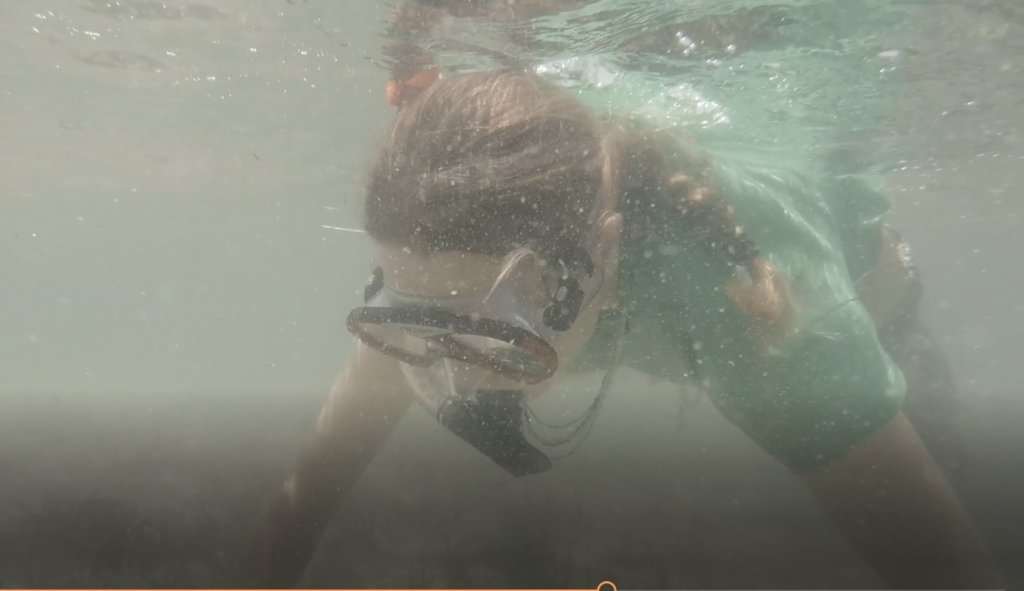
- Led seahorse safaris for several groups of tourists bringing in around $750 for fishing families encouraging them to protect rather than poach seahorses. While well below pre-covid levels, this trickle of tourism is welcome.
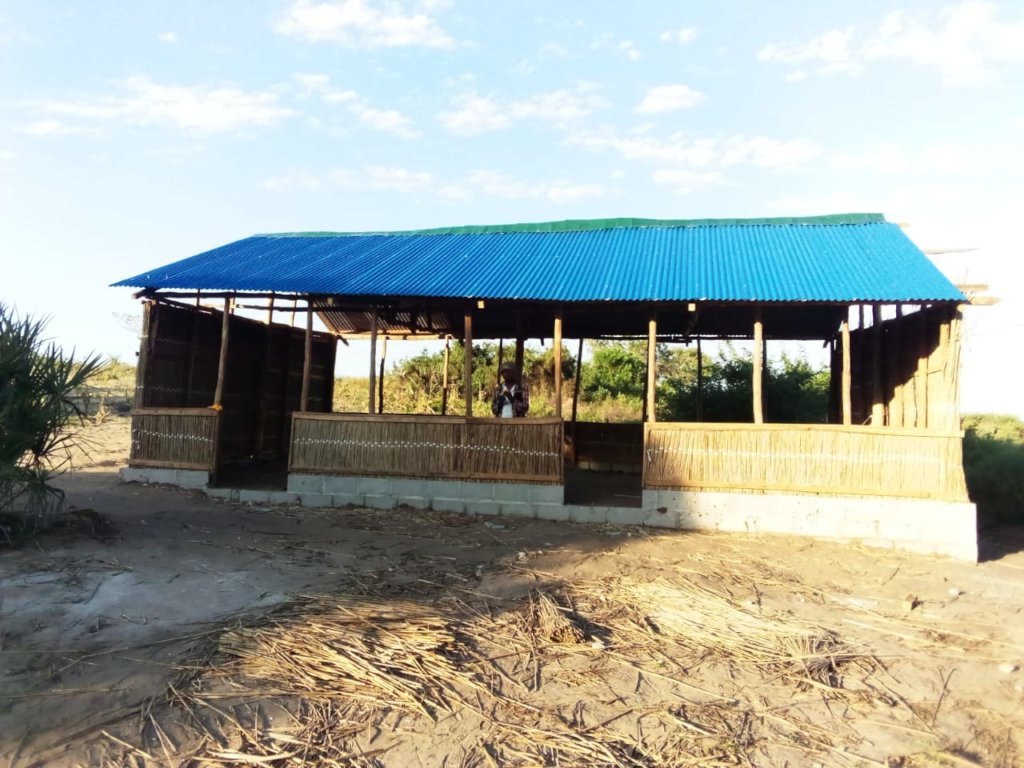
- Completed construction of their meeting space which will also function as a reception center for seahorse tourism.
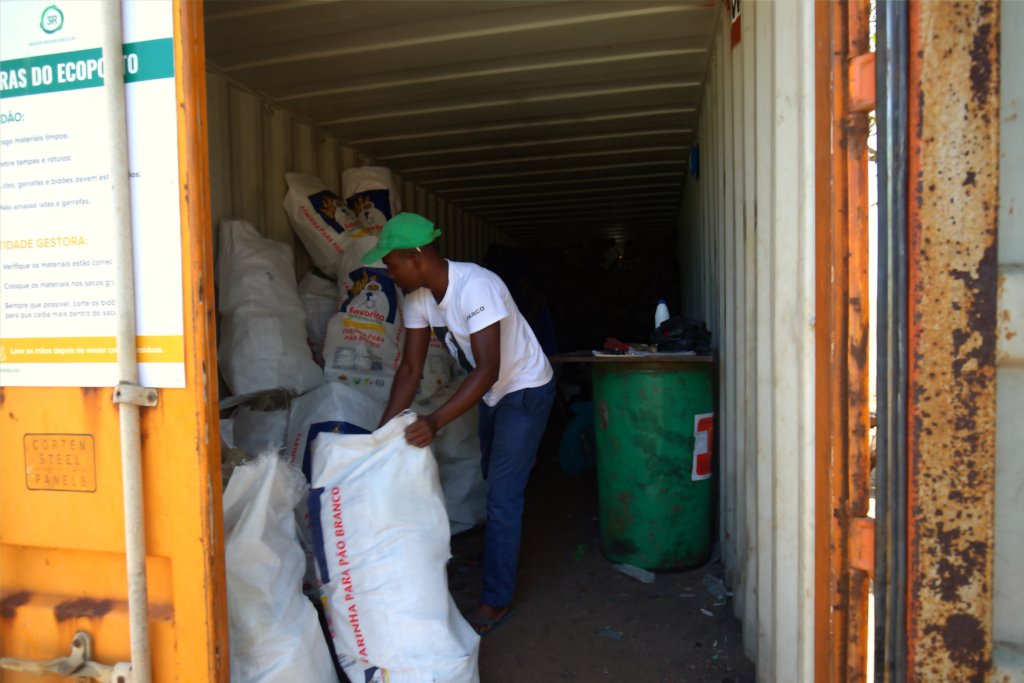
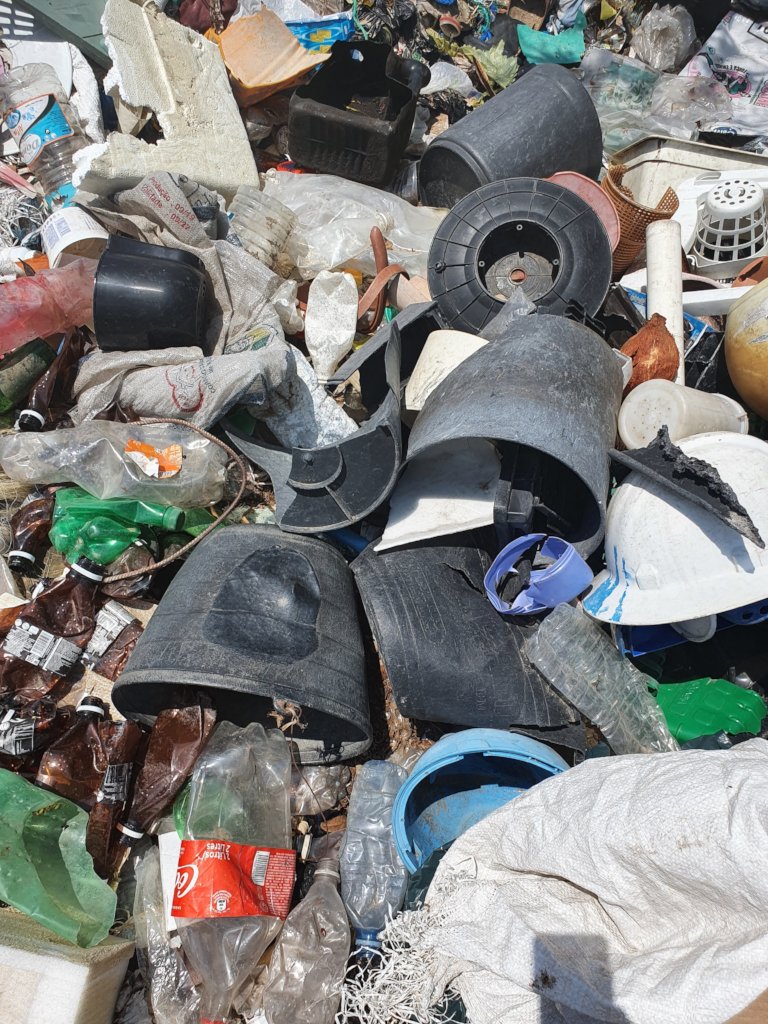
- The "ecopoint” project provided alternatives incomes buying 4 tons of recyclable plastic from casual waste pickers in Mangalisse.
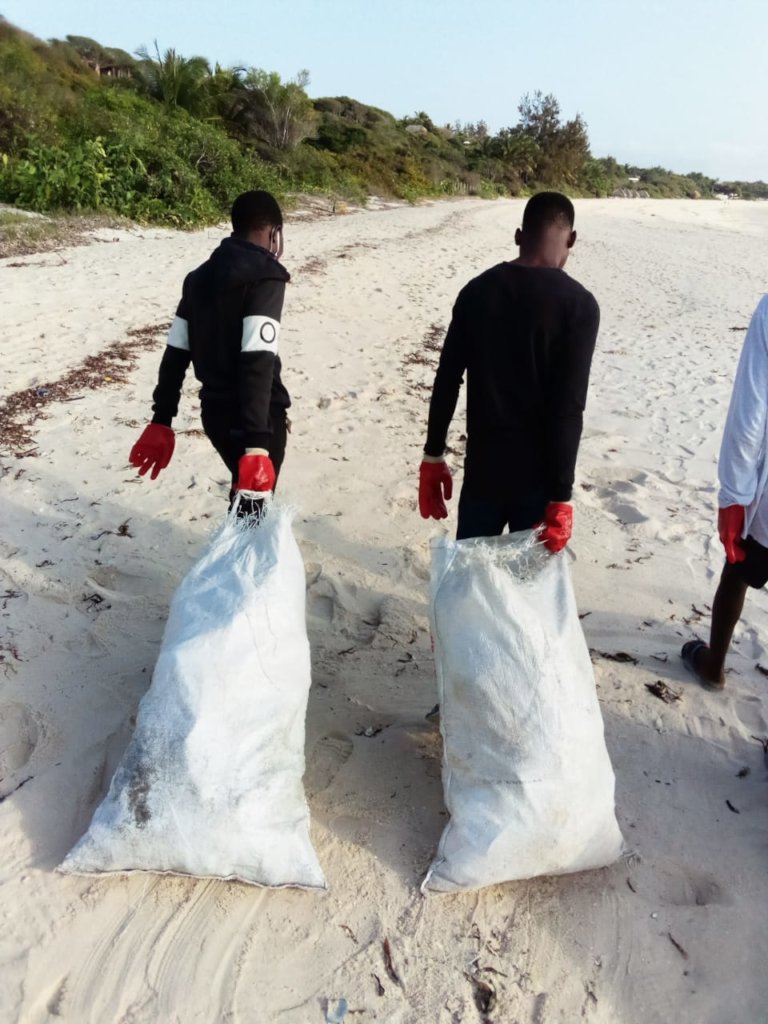
- Celebrated the 50th beach cleanup clearing another 5 tons of litter from Vilankulo south beach.
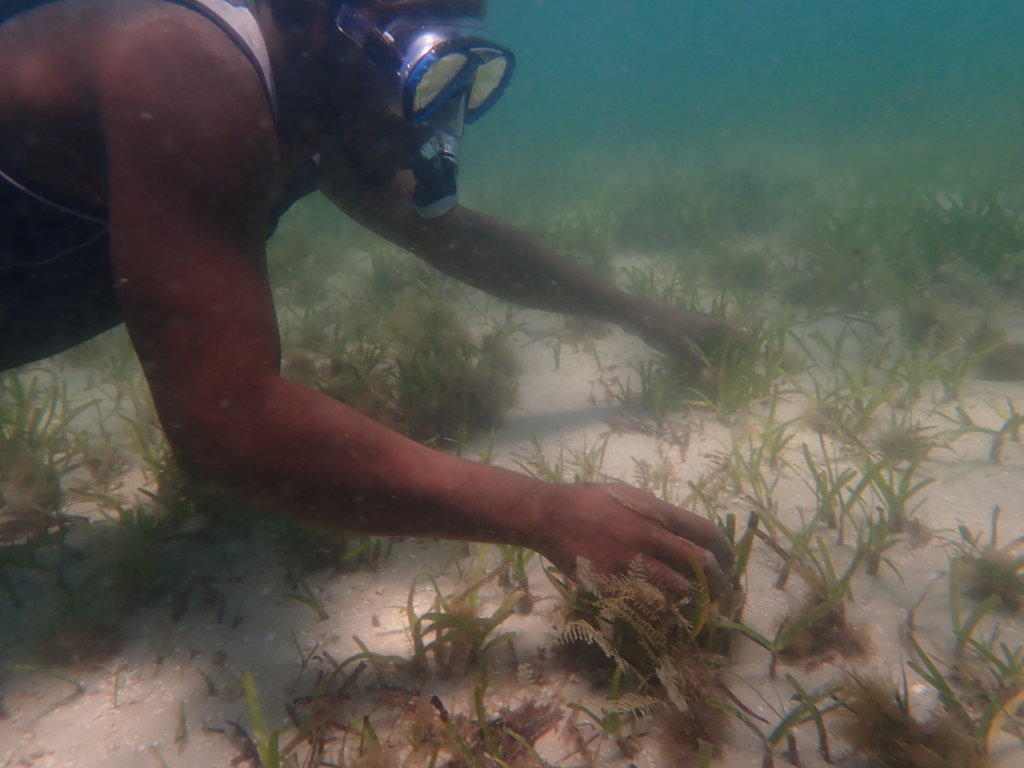
- In May Ilidio and Amancio completed one year of monthly seahorse monitoring for scientific study in collaboration with Dr. Louw Claassens.
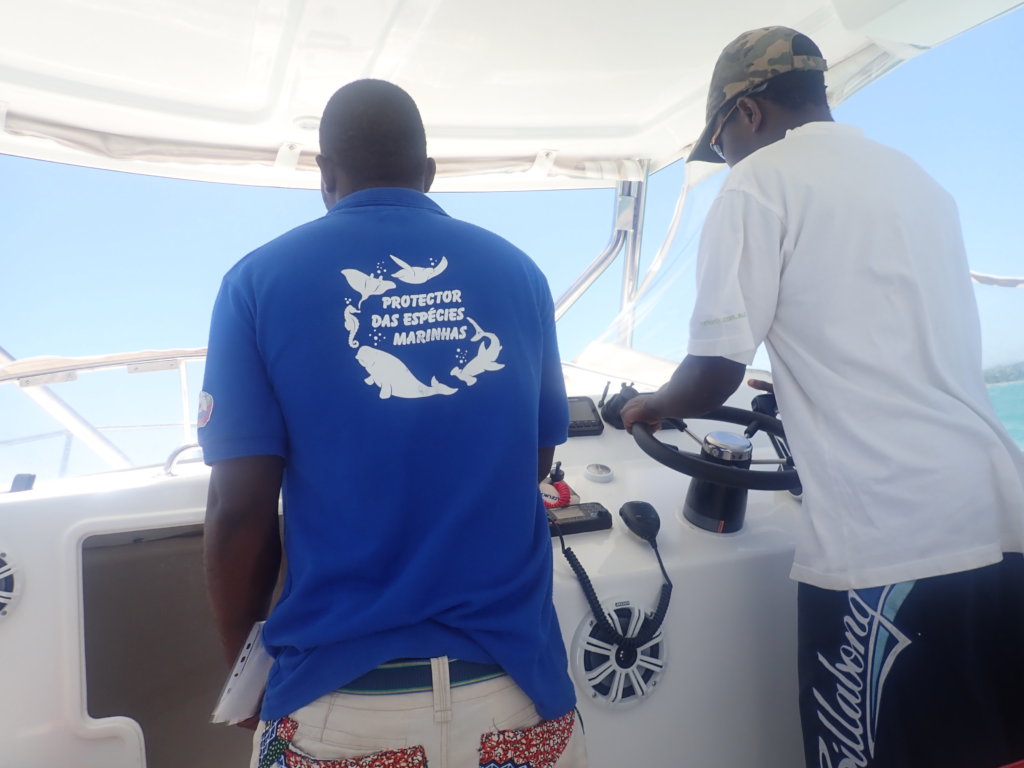
Activities and capacity building was coordinated by Ilidio with support from the Save the Seahorses of Mozambique campaign.
![Plastic Buyback]()
Plastic Buyback
![Seahorse Tourism]()
Seahorse Tourism
![Snorkeling Safari]()
Snorkeling Safari
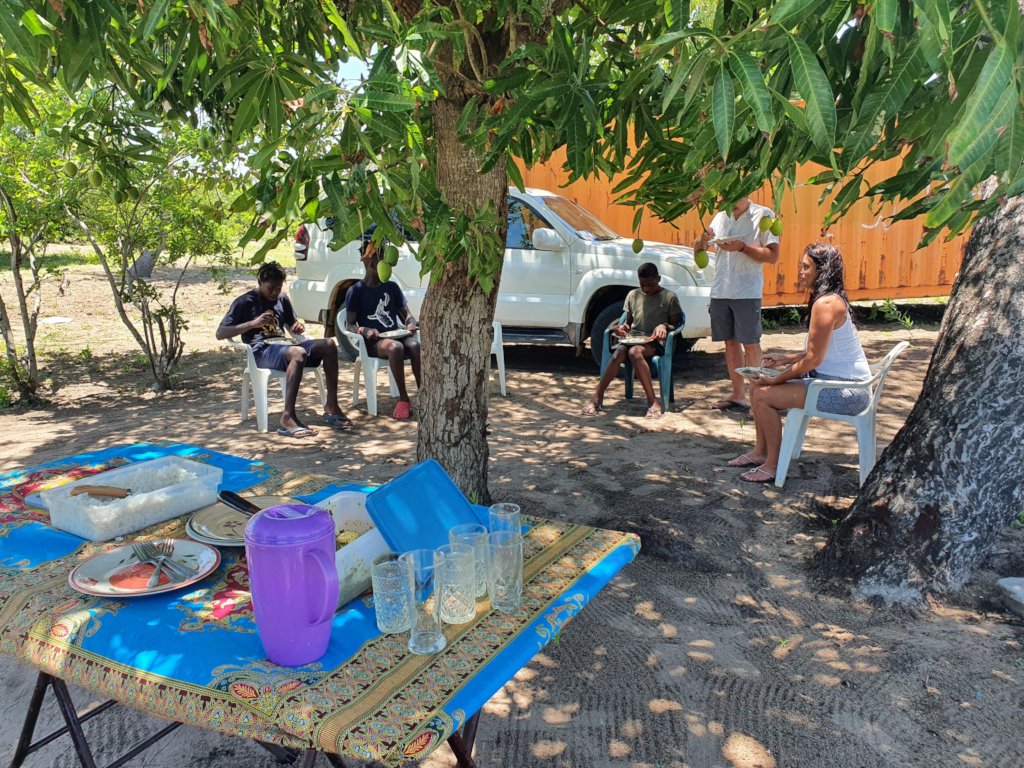
![Lunch in the village]()
Lunch in the village
![Beach Clean]()
Beach Clean
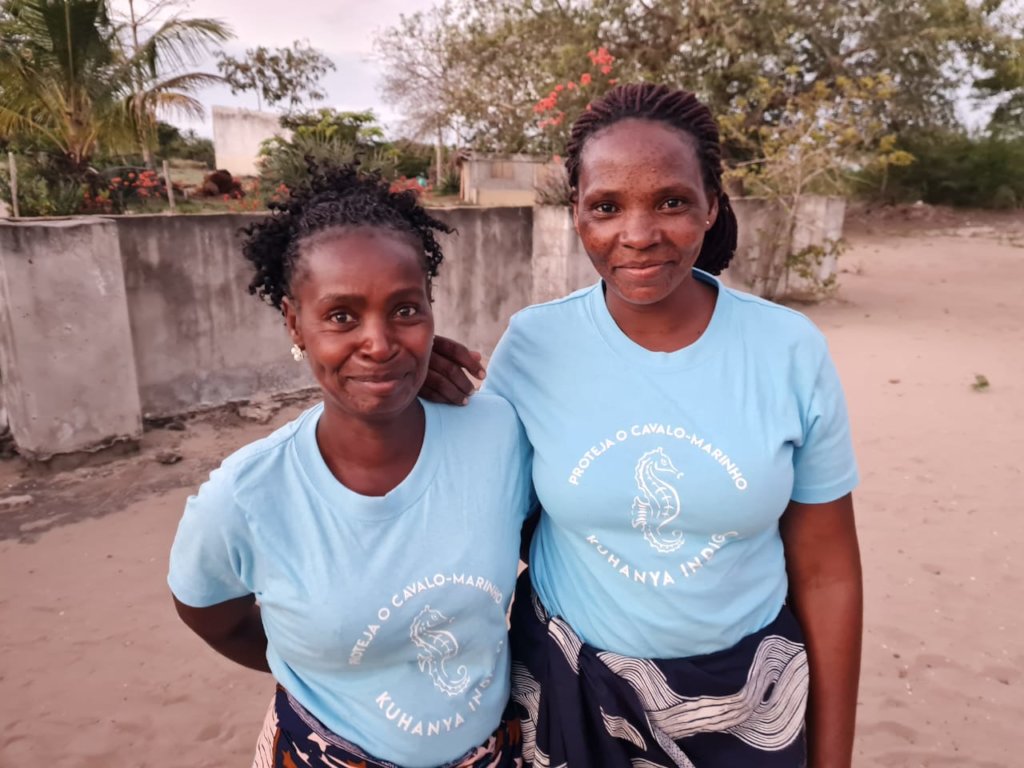
![Susana and Olinda CCP members]()
Susana and Olinda CCP members
![Collected Plastic]()
Collected Plastic
![CCP Meeting Hall and Tourism Reception]()
CCP Meeting Hall and Tourism Reception
Links:
![Share on Twitter]()
![Share on Facebook]()
Mar 30, 2021
Fwd: March 30 report
By Juliet Lyon | Project Leader
Led by Project Coordinator Ilidio Cole, ParCo is setting up a Locally Managed Marine Area in Mangalisse following the “Our Seas Our Lives”
approach which had success in northern Mozambique. The area will specifically protect seahorses.
In
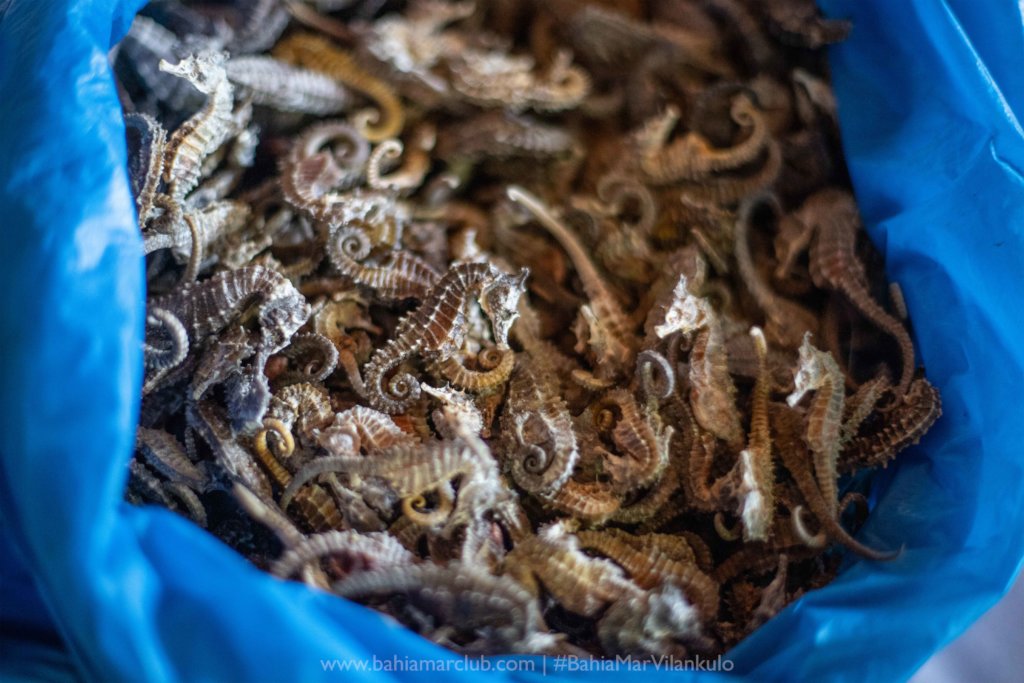
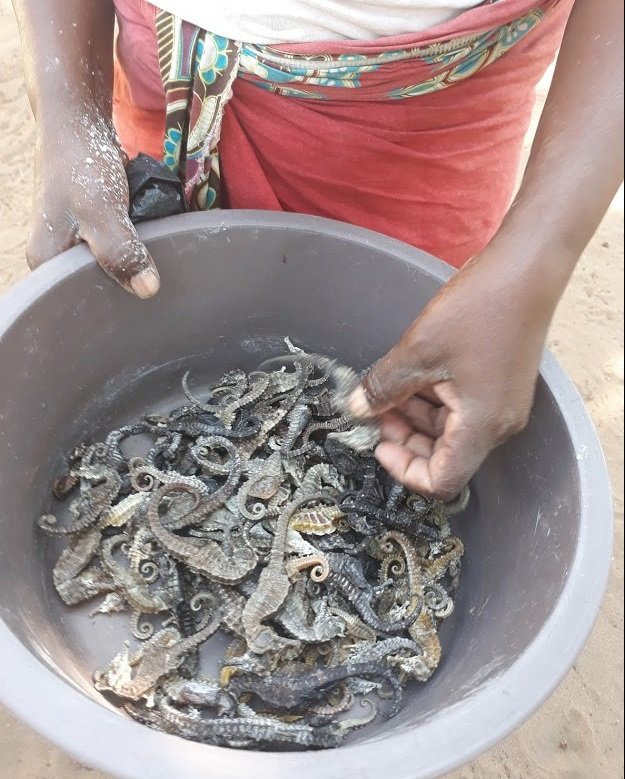
January, a Chinese national was caught in Vilankulo with a large stock of dried
seahorses in his shop closet. This event increased interest in seahorse protection with local authorities. The District Administrator pledged support to our
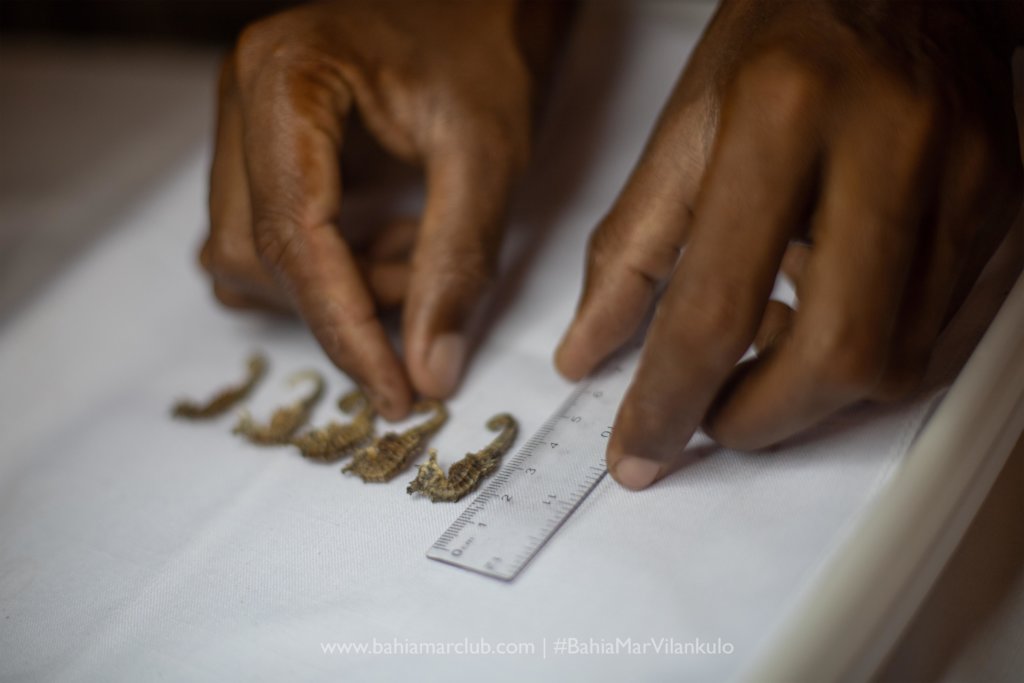
efforts and the confiscated seahorses are being analyzed with guidance from our partner seahorse specialist.
In
meetings with the Community Fishing Committee of Mangalisse (CCP), two seahorse
habitats were selected to become protected areas - Tsacatsaca and Tolenhane -
shallow seagrass beds off the coast of Mangalisse where seahorses are abundant.
We look forward to implementing an action plan with the CCP to protect seahorses from capture at sea and to continue monitoring the populations and promoting seahorse tourism as an alternative income. We appreciate all of
the generous support from across that world that makes our work possible!
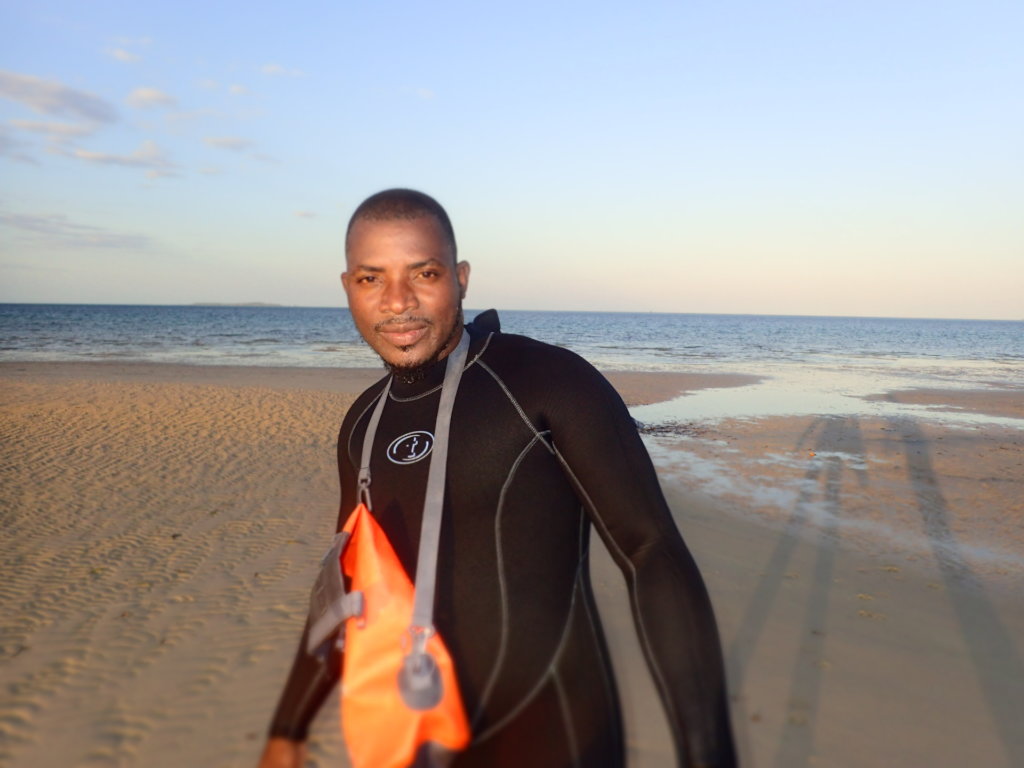
PHOTO: Project Coordinator Ilidio
![Share on Twitter]()
![Share on Facebook]()